
What is gestalt language processing?
Gestalt language processing is a well-documented way some children learn language — in whole chunks first, rather than one word at a time. Instead of building up from single words to sentences, a gestalt language processor picks up entire phrases as one unit — a line from a favorite show, a sentence a caregiver says every night — rhythm, tone, and all, before ever breaking it down into the smaller words inside it. It isn't a delay or a disorder on its own; it's simply a different, natural route into language, one that tends to follow its own sequence on the way to flexible, self-generated speech.
What this can look like
- Repeating back exactly what was just said, right away or after a delay, instead of answering in their own words
- Repeating a line from a show or book at a moment that seems to fit its feeling, even if the words don't literally match
- Using a caregiver's exact phrase, tone included, in a new situation
- Scripts that clearly carry real meaning for the child, even when the connection isn't obvious to an adult listening in
The general path this tends to follow
Gestalt language development tends to move through a general sequence, though not every child moves through it at the same pace, and stages can blend together:
- Whole chunks first — full scripts repeated as intact units.
- Chunks start breaking apart — scripts get mixed, trimmed, and recombined into smaller pieces.
- Single words emerge — those pieces become flexible single- and two-word combinations.
- Original language builds up — self-generated phrases and sentences follow, with grammar growing more flexible over time.
A few general starting points
These are broad, low-stakes ideas — not a plan for moving a child from one stage to the next, which takes individual therapy with a speech-language pathologist, not a general overview page.
Join the script instead of redirecting from it. If a child repeats a line from a show or a favorite phrase, saying it back with them, in their tone, tends to open things up more than prompting "use your own words."
Notice what a script seems to be doing, not just what it says. The same line might show up when a child is excited, anxious, or moving between activities — noticing when a script tends to appear often reveals more than the words themselves.
Model your own natural language nearby, without quizzing. Narrating what you're doing in short, natural phrases gives a child language to absorb, without putting them on the spot to produce it.
Where this comes from
This framework comes from Marge Blanc's work on natural language acquisition, and is explained in depth by Meaningful Speech, an organization specializing specifically in gestalt language processing. Their site includes a free, plain-language guide to each stage, along with podcasts, webinars, and further reading.
Frequently asked questions
What is gestalt language processing?
It's a natural way some children learn language — in whole memorized chunks or phrases first, rather than word by word. It's a different route into language, not a disorder.
Is repeating phrases or lines from a show always a sign of gestalt language processing?
Not always, but it's often an early sign. Repeating exact phrases, tone and rhythm included, is a common way this language-learning pattern first shows up — though a closer look at the specific pattern is the best way to know for sure.
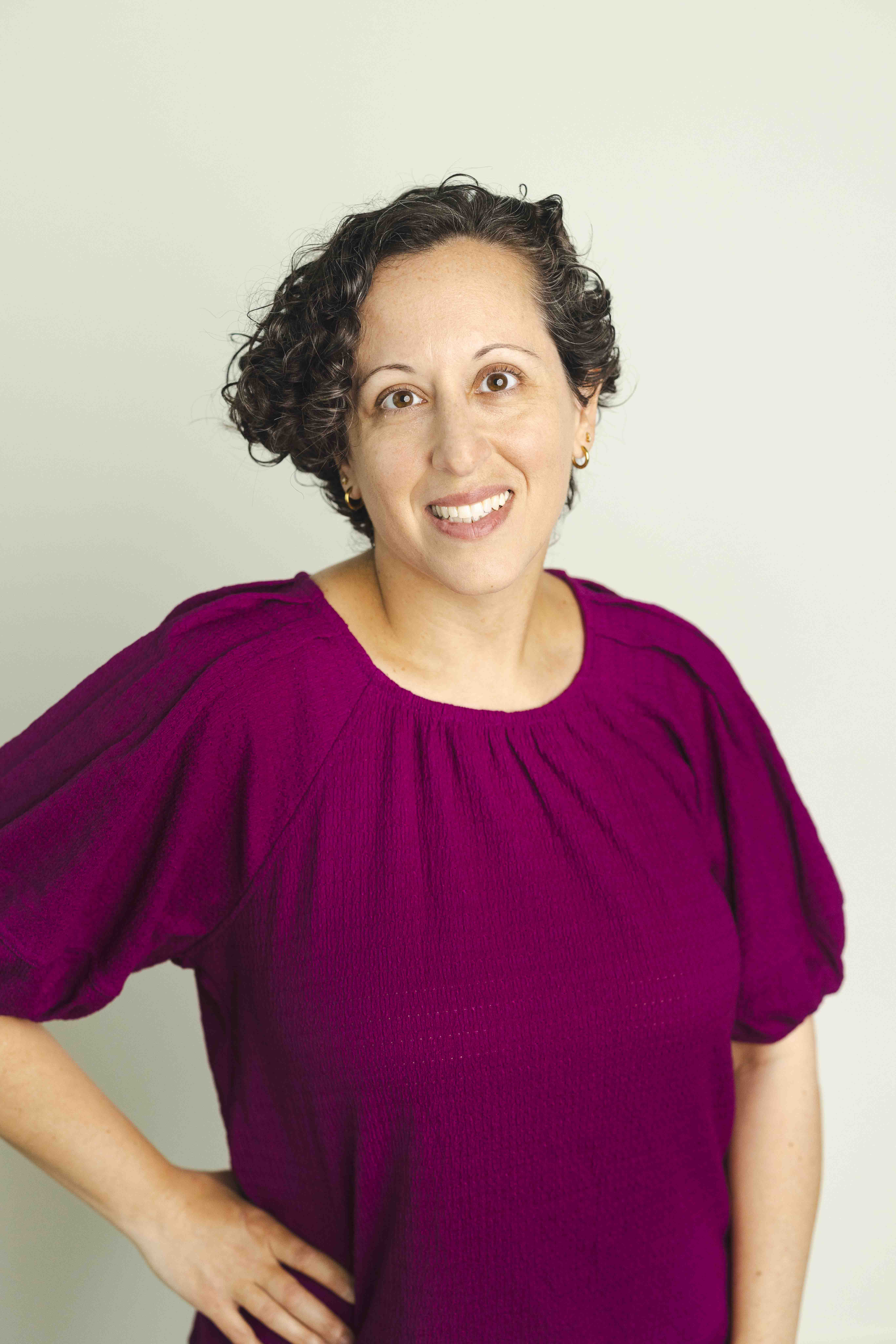
Meet the founder
EDmango is built by Jenna Mamidi, M.S., CCC-SLP, a speech-language pathologist with nearly two decades of clinical experience. She created it to bring that same clinical insight out of the therapy room and into the everyday moments where learning actually happens. Read more →